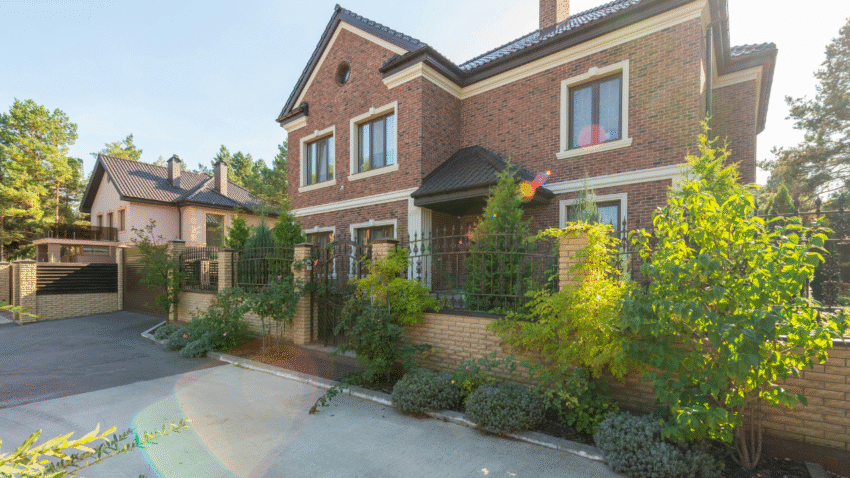
Introduction
Over time, driveways can begin to crumble, spread, or lose their neat appearance—especially along the sides where vehicles, erosion, and weather take their toll. The solution? Driveway edging. By adding a strong border, you not only improve the look of your driveway but also protect it from damage. In this guide, you’ll learn exactly how to install driveway edging for better durability, step by step, so your driveway stays strong, safe, and attractive for years to come.
Why Driveway Edging Matters
Edging isn’t just cosmetic—it plays a crucial role in driveway maintenance and longevity:
- Prevents crumbling: Edging stabilizes the sides of asphalt, concrete, or gravel driveways.
- Reduces spreading: Gravel and paver driveways often shift outward without edge restraints.
- Improves durability: Reinforced borders help your driveway withstand vehicle pressure and erosion.
- Boosts curb appeal: A clean, defined border creates a polished, finished look.
- Enhances safety: Well-placed edging reduces trip hazards and keeps the surface even.
Whether your driveway is gravel, asphalt, concrete, or pavers, edging is one of the best long-term upgrades you can make.
Step-by-Step Guide to Installing Driveway Edging
Step 1: Choose Your Edging Material
The best edging depends on your driveway type, budget, and style:
- Concrete curbing: Strong, permanent option ideal for asphalt or concrete driveways.
- Brick or paver edging: Decorative and durable, perfect for both paver and gravel driveways.
- Steel or aluminum edging: Sleek and sturdy, common for modern designs.
- Plastic edging: Budget-friendly and flexible, often used for gravel driveways.
- Natural stone: Rustic and attractive, great for traditional or country-style homes.
Pro Tip: Match your edging material to your home’s style for maximum curb appeal.
Step 2: Plan the Layout
- Walk the driveway and decide where edging is needed.
- Mark lines with spray paint, stakes, or string.
- Ensure curves and corners are accounted for in your material choice (flexible edging works best for curves).
Step 3: Gather Tools and Materials
You’ll need:
- Edging materials (bricks, pavers, curbs, or edging strips)
- Shovel and spade
- Level and measuring tape
- Stakes and string line
- Gravel or crushed stone (for base)
- Sand (for paver or brick edging)
- Rubber mallet
- Tamper or plate compactor
- Landscape fabric (optional for gravel driveways)
Step 4: Excavate a Trench
- Dig a trench along the driveway edge where the border will sit.
- Depth: 4–6 inches for brick/paver edging, deeper if using concrete curbs.
- Width: Wide enough to accommodate edging plus a stable base.
- Make sure the trench is straight and level (use string lines for guidance).
Step 5: Add a Base Layer
- Pour 2–3 inches of compacted gravel or crushed stone into the trench.
- Compact with a tamper for stability.
- For brick or paver edging, add a 1-inch sand layer on top of the gravel for leveling.
Step 6: Install the Edging
- For Brick or Paver Edging:
- Lay bricks/pavers on the sand base in your chosen pattern (flat or angled).
- Tap each piece into place with a rubber mallet.
- Check alignment and level as you go.
- For Steel, Aluminum, or Plastic Edging:
- Place edging strips into the trench.
- Secure with stakes driven into the ground every 2–3 feet.
- Ensure strips follow the marked line.
- For Concrete Curbing:
- Mix and pour concrete into the trench using wooden forms.
- Smooth and shape with a trowel.
- Allow 24–48 hours to cure.
Step 7: Backfill and Secure
- Once edging is in place, backfill both sides with gravel, soil, or sand to lock it in.
- Compact around the edging to ensure stability.
- Sweep or hose down to clean off dust and debris.
Step 8: Seal and Finish (Optional)
- For brick, stone, or concrete edging, apply a sealant for protection against weathering.
- Add landscaping elements (mulch, grass, or plants) along the border for a finished look.
Common Mistakes to Avoid
- Mistake 1: Skipping the Base Layer
Placing edging directly on soil leads to sinking and shifting.
Solution: Always compact gravel or sand first. - Mistake 2: Poor Alignment
Crooked lines make edging look sloppy.
Solution: Use string lines and check level frequently. - Mistake 3: Forgetting Drainage
Improperly installed edging can trap water.
Solution: Maintain a slight slope away from the driveway. - Mistake 4: Using Weak Materials
Plastic edging alone won’t hold heavy gravel or pavers long-term.
Solution: Choose sturdy materials suited for your driveway type. - Mistake 5: Not Securing Edging Properly
Loose bricks or edging strips shift under pressure.
Solution: Compact around edging and secure with stakes or backfill.
Extra Driveway Tips & Hacks
- Blend with Landscaping: Plant low shrubs or flowers along edging for a softer, finished look.
- Add Lighting: Solar lights built into edging increase nighttime safety and style.
- Choose Angled Brick Patterns: Angled pavers lock in more securely and resist vehicle pressure.
- Seal Edging Every Few Years: Extends lifespan of stone, brick, and concrete.
- Match Materials: Coordinate edging with your walkway, patio, or garden borders for a cohesive design.
For more protection strategies, check out our guide on how to fix a crumbling driveway edge, which complements driveway edging perfectly.
Conclusion
Installing driveway edging is one of the best ways to protect your driveway while improving its appearance. By excavating properly, building a strong base, and choosing durable materials, you’ll create a stable border that prevents crumbling, spreading, and erosion.
Pro Tip: Edging is more than just a finishing touch—it’s an investment in durability. Done right, it can extend your driveway’s lifespan by years while giving your property a polished, professional look.